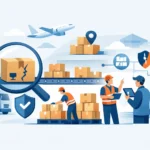

When a plant is managing one supplier for corrugated cartons, another for protective packaging, a third for displays, and still more for warehousing or freight, small problems stack up fast. That is where vendor consolidation benefits manufacturing in a very practical way – fewer handoffs, fewer surprises, and more control over cost, quality, and timing.
For procurement and operations teams, consolidation is not just about cutting the supplier count. It is about reducing friction across the full production and delivery cycle. Every extra vendor creates another quote process, another service standard, another lead time, another invoice, and another chance for a miss that slows production. Time is money, and complexity has a cost.
Why vendor consolidation benefits manufacturing operations
On paper, using multiple suppliers can look like a smart way to keep pricing competitive. In some cases, it is. If a manufacturer has highly specialized packaging requirements across very different product lines, a multi-vendor model may still make sense. But many operations keep too many vendors simply because that is how things have always been done.
The hidden cost shows up in the gaps between suppliers. One packaging source may hit price targets but miss delivery windows. Another may provide acceptable materials but require larger order quantities than the plant actually needs. A freight provider may not have visibility into packaging changes that affect pallet count, cube, or shipment timing. Each piece works on its own, but the total system underperforms.
Consolidation addresses that problem by creating a more connected operating model. When fewer partners are responsible for more of the process, communication improves, accountability becomes clearer, and decision-making gets faster. That matters on the plant floor, in the warehouse, and at the dock.
Lower total cost, not just lower unit price
A common mistake in sourcing is evaluating vendors by line-item price alone. Manufacturing leaders know the real target is total operating cost. A box that costs a few cents less is not a win if it slows packing speed, increases damage claims, or drives up freight spend because the dimensions are inefficient.
One of the strongest vendor consolidation benefits manufacturing sees is the ability to optimize across categories instead of buying each item in isolation. Packaging design, material sourcing, inventory planning, and transportation all affect one another. When one partner can see the broader picture, cost-saving opportunities become easier to spot.
That may mean redesigning a corrugated carton to reduce material weight without sacrificing product protection. It may mean using custom partitions or pads that improve cube utilization. It may mean combining packaging supply with freight planning so deliveries arrive in the right sequence and inventory does not pile up in the plant. The savings come from the system, not a single SKU.
Better quality control across packaging and supply
In manufacturing, inconsistency causes expensive headaches. If packaging specs vary by supplier, production teams often end up compensating on the floor. They adjust machine settings, work around board strength differences, or spend extra time dealing with fit and finish issues that should have been solved upstream.
Consolidating vendors can tighten quality control because specifications, testing expectations, and service requirements are managed through a smaller group of accountable partners. That does not guarantee perfect performance, but it usually makes root-cause analysis much easier. If a packaging failure occurs, there are fewer places to look and fewer opportunities for finger-pointing.
This is especially important for food producers, industrial manufacturers, and distributors shipping high volumes. A reliable packaging supply program supports production speed, product protection, and customer satisfaction at the same time. When quality is consistent, teams spend less time reacting and more time moving orders out the door.
Fewer stockouts and less production disruption
Most plants can absorb a pricing issue more easily than a shutdown. Late packaging deliveries, missing materials, and poor forecasting coordination create immediate operational risk. A low-cost vendor stops being low-cost the moment a line goes down waiting for cartons, pads, or specialty boxes.
Vendor consolidation can reduce that risk when the right partner brings stronger inventory management and delivery support to the table. Just-in-time delivery, warehousing, and cross-docking are not side benefits. They are part of keeping production supplied without tying up unnecessary cash in excess inventory.
With a consolidated approach, forecasting also tends to improve. A partner supplying multiple packaging categories has a better view of order patterns, seasonal swings, and production changes. That broader visibility makes it easier to plan around demand spikes and avoid last-minute scrambling.
There is a trade-off here. Consolidation only works if the partner has the capacity, service coverage, and operational discipline to support it. Putting too much spend with an underpowered supplier can create concentration risk. The answer is not consolidation at any cost. It is smart consolidation with a partner built for the workload.
Simpler purchasing and stronger accountability
Procurement teams do not need more administrative work. Yet fragmented sourcing often creates exactly that. Multiple vendors mean more bids, more purchase orders, more inbound coordination, more invoice reconciliation, and more vendor follow-up.
Reducing supplier sprawl simplifies the day-to-day workload. Buyers can spend less time managing transactions and more time on strategic sourcing, cost analysis, and supplier performance. For plant managers and operations leaders, it also creates a clearer line of accountability. When service levels slip, there is less confusion about who owns the problem.
That accountability matters during disruptions. If there is a late truck, a spec change, or a sudden increase in demand, a consolidated supplier relationship makes escalation faster. The right partner is not just processing orders. They are helping solve operational issues before they affect production schedules or outbound delivery commitments.
Freight efficiency improves when packaging and logistics work together
Many manufacturers treat packaging and freight as separate decisions. In reality, they are tightly connected. Package dimensions affect pallet patterns. Material strength affects stacking. Inventory timing affects shipment frequency. A change to one part of the chain often changes the cost structure somewhere else.
That is why vendor consolidation benefits manufacturing beyond procurement alone. When packaging supply and transportation coordination are aligned, manufacturers can often reduce freight waste, improve load planning, and avoid expedited shipments caused by poor handoffs.
For example, a package redesign may allow more units per pallet or better trailer utilization. A coordinated delivery schedule may reduce the need for emergency replenishment. A supplier with both packaging expertise and freight visibility can make decisions that support the total flow of goods rather than just one purchase category.
This is where integrated service matters. A company that understands corrugated, protective packaging, warehousing, and freight can help manufacturers connect choices that are too often managed in separate silos. Not just a box company, but an operational partner.
When consolidation makes sense – and when it does not
Consolidation is not automatically the right move for every manufacturer. If a plant relies on highly technical specialty components from niche producers, forcing those requirements under one supplier may not be practical. Some categories should remain specialized. Some backup suppliers should remain in place as contingency protection.
The better question is where consolidation will produce the biggest operational return. Packaging is often a strong place to start because it touches production, inventory, shipping, damage rates, and freight. It is also an area where service responsiveness matters as much as price.
A good evaluation usually looks at more than vendor count. It should include lead times, quality consistency, on-time delivery, emergency response, freight impact, inventory support, and administrative burden. If one partner can improve performance across several of those areas, the case for consolidation gets stronger quickly.
What to look for in a consolidated supply partner
Manufacturers should expect more than broad product availability. A true consolidation partner needs to bring service depth. That includes packaging knowledge, sourcing strength, design support, delivery reliability, and the ability to adapt when production changes fast.
The best relationships are built around responsiveness and problem-solving. If a vendor can supply corrugated cartons, meat boxes, bakery packaging boxes, die-cut boxes, sheets, pads, and protective packaging, that is useful. If they can also help engineer better packaging, stage inventory, coordinate just-in-time delivery, and support freight decisions, that is where real operating value starts to show.
TEC Business Solutions works in that space because manufacturers do not need another disconnected supplier. They need a partner that can help lower total costs from production through delivery while keeping service dependable.
For manufacturers under pressure to reduce spend without adding risk, consolidation is worth a hard look. The payoff is not just a cleaner vendor list. It is a supply chain that is easier to manage, faster to respond, and better aligned with the way production actually works. Start where complexity is hurting the most, and fix the handoffs that keep costing you money.